Fox Information
- 25.11.2021
- DerbyFoxes
- 0 reviews
The fox is at the top of it’s food chain and has never naturally been hunted. It’s survival depends upon the availability of food in it’s territory.
If too many fox cubs are born then there will be too much competition for food, some mouths will not be fed and therefore mean then population is controlled by nature and is self regulating.
Remove a fox from a territory and another one will quickly take it’s place, eager for the newly available food.
Foxes use scent for their main communication. The big bushy tail (brush) helps to spread this around! Some hunts people have claimed that the fox does not seem worried by the fact that he is being chased. This is because the fox is generally a solitary animal and unlike a herd animal, has no one to call out to and raise the alarm. He is still communicating with scent which only helps to make it easier for the hounds to follow him.
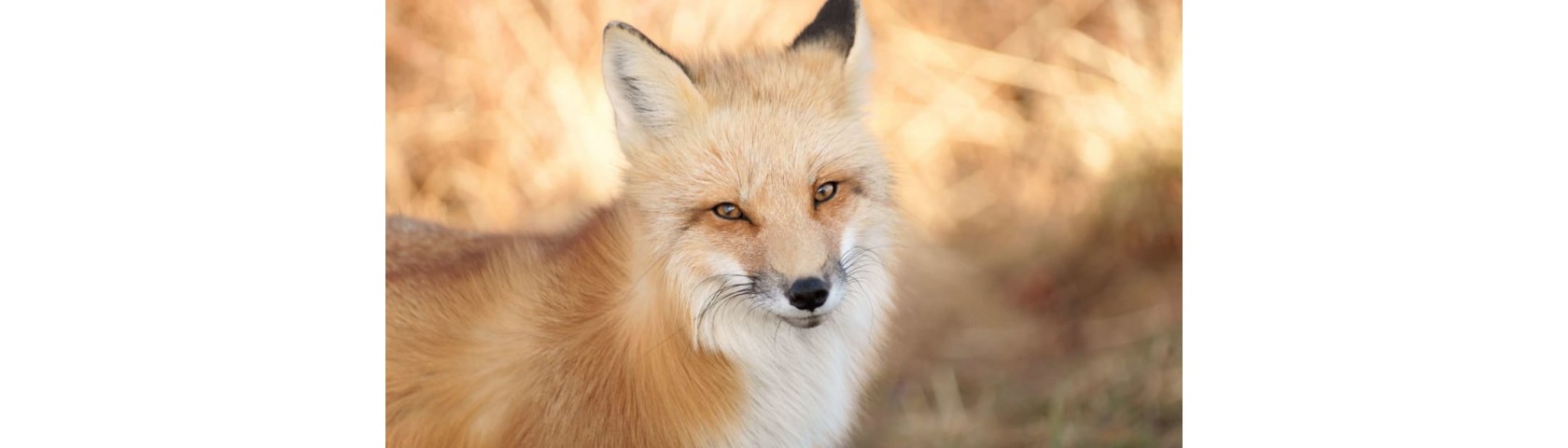
The largest of all vulpine foxes, the red fox is the most successful, and is certainly the most recognizable. A small, dog like animal, it’s adult mass can vary between 3-10 kg. European foxes and those living in higher latitudes tend towards the larger sizes, while those in North America and southern latitudes are generally smaller. The males average ten to fifteen percent heavier than the females, although the considerable size differences between individuals in this species makes it difficult to use this as a guideline to determining sex.
Body length typically varies between 82 and 110cm, of which a prominent bushy tail accounts for about a third. It is useful as a counterbalance while running and jumping, provides insulation and warmth in cold weather, and is used to communicate with other foxes. A white tail tip, or “tag” is a useful field mark for distinguishing a red fox from other canids. Other characteristic features include it’s narrow, elongated muzzle, erect triangular ears, and luxurious coat of fur.
The red fox’s lightweight body allows for swift, agile movement.
The red fox is built much more lightly, being half as massive as other canids of equal size. Several of it’s bones are narrower than those of other dogs, and the limb bones are built much more lightly. Body mass is further reduced by a stomach that is proportionately half as large as other canines’. This reduction of weight allows a fox to run extremely quickly (trotting speed is between 6-13 km/h and speeds up to 72 km/h have been cited), and with great agility. Foxes are also very good swimmers and their disproportionately long hind legs give them a tremendous leaping ability of up to 2m vertically.
The fox pays a penalty for it’s smaller stomach in that it must eat more frequently. When eating, it employs 42 teeth within it’s elongated muzzle. These include prominent canines which hold prey, incisors for cutting and shearing meat, and molars for grinding up bones and vegetable matter.
Another sensory feature useful in poor light is the fox’s whiskers, or vibrissae. Longer than those of dogs, these cat like whiskers extend from both the snout and the wrists. Tactile information from these vibrissae supplement vision in dim light.
Foxes can be found on every continent in the world, except Antarctica. They’re one of the most adaptive and widespread animals, as well as one of the most misunderstood.
The Red Fox is the most common of the species. For other species, diet and habitat may be different
Around December, foxes who are already not paired up will begin to join together as the breeding season begins. Foxes over 10 months old can breed, and sometimes a male will pair up with up to four females, making up a new family unit. But most often there is one male and one female. Once they are paired, the foxes will hunt and stay together. The peak of the breeding season is in late January, and the season lasts until March or so.
During the breeding season, the female is in oestrus for up to 4 days, often mating several times during that period. She will be pregnant for 52 days, and only have 1 litter per year. They will normally have 2-6 cubs.
Understanding the natural biology, behaviour, and territory habits of the British red fox is essential for managing their health and supporting them safely in our shared spaces.
How Nature Controls the UK Fox Population
The red fox sits comfortably at the top of its local food chain and faces no natural wild predators in the UK. Because of this, their survival depends entirely on the natural availability of food and territory resources within their area. If too many fox cubs are born in a single season, intense competition for food naturally self-regulates the population, ensuring numbers match what the environment can support.
Urban environments provide stable artificial food sources, allowing smaller territories to thrive. However, if a dominant fox is removed or relocated from a patch, a new individual from the surrounding area will quickly stake a claim to the territory to utilize the newly available food supply.
Scent Communication and the "Brush"
Foxes are largely solitary animals that hunt alone rather than in packs. To establish territory boundaries without physical conflict, they rely heavily on specialized scent communication. Their prominent, bushy tail—known technically as the brush—plays a critical role in this process by helping to fan and spread their distinct scent markers around their home paths.
Supporting Vulnerable Garden Wildlife
Because foxes are solitary, they do not have a pack to call on if they become sick or injured. This makes them highly vulnerable if they contract debilitating skin parasites or environmental illnesses. If you enjoy welcoming these beautiful animals into your garden, keeping a watchful eye on their body condition is key.
If you notice a local visitor suffering from severe fur loss, scabs, or incessant scratching, they are likely dealing with burrowing skin mites. You can safely support them without the stress of capture by using our natural, non-toxic sarcoptic mange remedy. For general vitality, combining an easy dosing schedule with nutritional support like our specialized Four Seasons tincture helps clear out internal parasites so they can retain vital nutrients.
Reviews (0)
Tags: british red fox facts, fox territory habits, urban fox behaviour, supporting wild foxes
Related Articles
Foxes in towns and gardens
- 25.11.2021
- 0 reviews
Foxes have been present in many towns and cities for many years. However, their arrival in some urban areas, p...
Read More
Dog Four Seasons Wormer
- 08.12.2021
- DerbyFoxes
- 0 reviews
Four Seasons Fox, Canine & Feline Anti-Parasitic tincture (can also be used on Rabbits) Conventional chem...
Read MoreRelated Products


Flea-Away Dog Cat Fl...
natural and safe approach for the control of fleas and ticks in d...
£9.95 £12.95

Sarcoptic Mange homo...
Arsenicum Alb & Sulphur 30c is a homoeopathic remedy that has bee...
£15.95 £17.95







Arnica, Rhus Tox &a...
A gentle homeopathic blend of Arnica, Rhus Tox, and Ruta Graveole...
£17.99 £20.95

Hedgehog - small woo...
Genuine Ian Latimer of BewdleyVery sweet sitting woodland hedgeho...
£3.15 £3.49
-200x200.jpg "Red Squirrel - small woodland")